
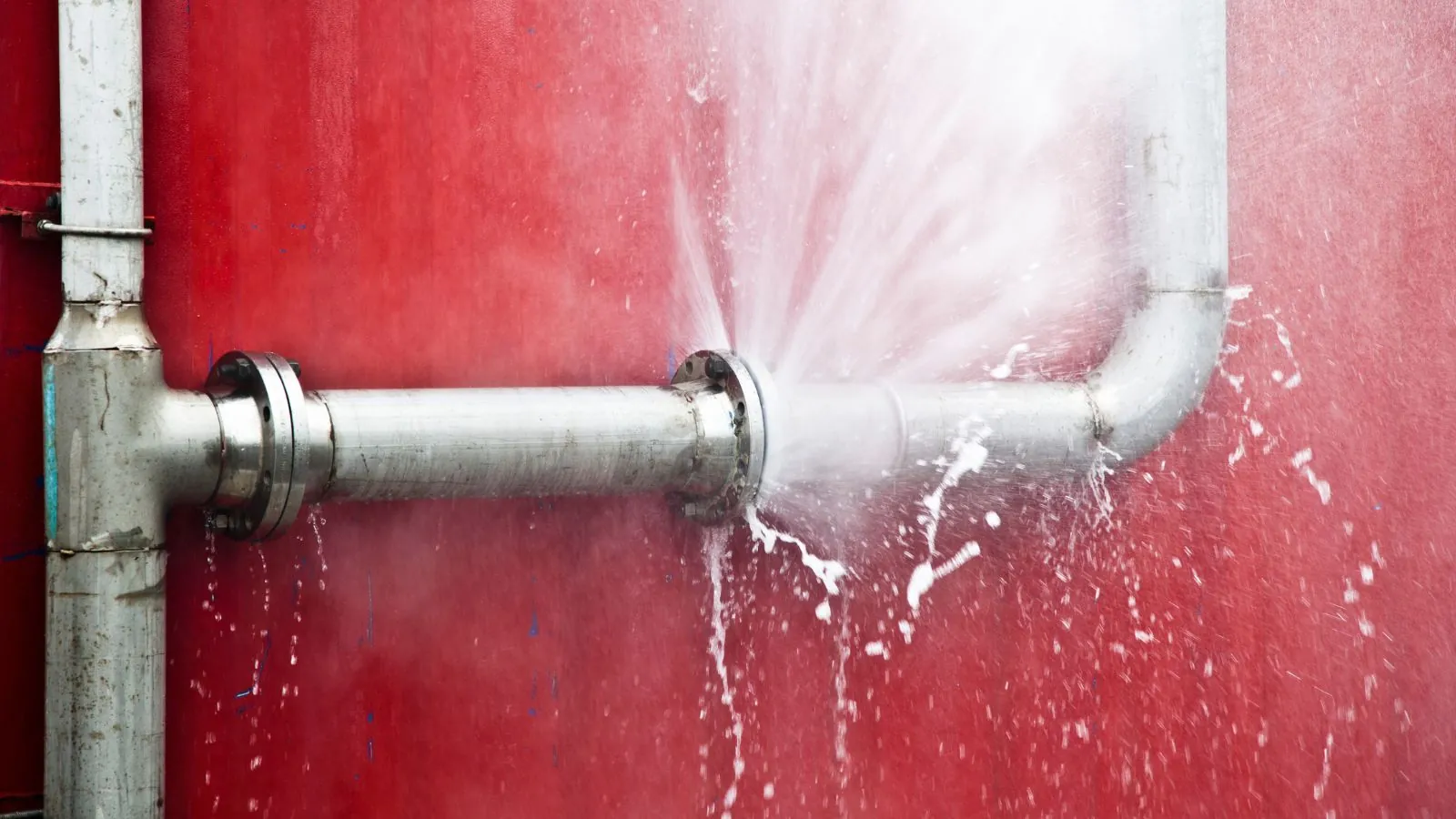
Most West Chicago homeowners learn what their policy covers only after the water is on the floor. The short answer from the Illinois Department of Insurance is that a standard homeowners policy covers some sudden and accidental water damage, including burst pipes, while sewer backup and sump pump failure are covered only if that coverage was added. Flood is a separate kind of insurance.
This guide explains the usual lines between covered and not covered so you can read your own policy before you need it. It is general information, not legal or insurance advice, and your policy wording controls.
What is usually covered and what is not
| Situation | Often covered? | What to check in your policy |
|---|---|---|
| Burst pipe or sudden supply line failure | Often yes | Whether the loss was sudden and whether freezing is addressed. |
| Washer hose, dishwasher or ice maker leak | Often yes for the water damage | The appliance itself is usually not covered. |
| Water heater tank failure | Often yes for the damage | The heater itself is usually not covered. |
| Slow leak over weeks or months | Often excluded | Maintenance and wear exclusions. |
| Roof leak after a storm | Often yes if the storm made the opening | Roof age and wear limits. |
| Sewer or drain backup | Only with an endorsement | The dollar limit of that endorsement. |
| Sump pump failure or overflow | Only with an endorsement | Whether it covers power loss as well as failure. |
| Flood and rising water | Separate flood policy | Waiting periods and coverage limits. |
General patterns only. Policies differ, so read yours or ask your agent.
Sudden and accidental, and why the words matter
Insurers draw a line between a pipe that burst this morning and a pipe that has dripped for six months. The first is sudden. The second is gradual, and many policies exclude it as a maintenance problem. A claim often turns on which one the adjuster decides it was.
That is why moisture readings and a written record of what you found matter. A burst under a kitchen sink that is discovered the same day looks very different from rotted cabinets and mold under a sink that has leaked for a year.
Endorsements to ask your agent about
- A water backup or sewer and drain endorsement, and the dollar limit it carries.
- Whether sump pump failure and power loss are included.
- Whether you have a separate flood policy, and when it takes effect.
- How mold is treated after a covered water loss.
- What your deductible is for water claims and whether it differs from other claims.
Ask for these in writing. An agent's answer on the phone is helpful, but the policy and its endorsements are what count after a loss.
What this means in West Chicago
A local example of why the exclusions matter
The National Weather Service recorded 5.48 inches of rain at West Chicago on April 17 and 18, 2013. A storm like that fills sewers and sump pits at the same time, and the losses it causes, such as sewer backup and seepage, are the ones standard policies often exclude. If your basement flooded in that storm, check whether the claim would have been covered, then fix any gap before the next wet spring.
Renters and condominium owners
Renters insurance generally covers your belongings, not the building. If a pipe bursts in your apartment, the landlord's policy usually covers the structure and yours covers your furniture and clothing. Condominium owners usually carry a unit policy that covers what the association's master policy does not, and the split is in your documents.
In either case, tell the landlord or association in writing and photograph the damage before anything is moved.
If the policy does not cover it
Ask for the denial in writing and read the reason. Illinois homeowners can contact the Illinois Department of Insurance consumer services office with questions or complaints. Do not wait on a decision to protect the property, because policies generally expect you to take reasonable steps to prevent further damage.
That means stopping the source and starting extraction and drying. Our burst pipe water damage page explains a common covered scenario, and our sewage backup cleanup page explains one that often is not. For high water that came in from outside, read flood damage cleanup.
Sudden versus gradual: the line insurers draw
Most homeowners policies are written around sudden and accidental events. A pipe that bursts overnight is usually treated differently from a pipe that dripped for six months. The wording of your policy decides, and the exclusions section matters as much as the coverage section.
Gradual seepage, long-term leaks and repeated moisture are common exclusions. Flood from rising surface water and groundwater is normally excluded from a standard policy and handled by separate flood coverage. Sewer and drain backup often needs an endorsement, so check whether you have one.
| Event | Often treated as |
|---|---|
| Pipe bursts inside a wall | Sudden, commonly covered. |
| Water heater tank fails | Sudden, commonly covered. |
| Slow drip under a sink for months | Gradual, often excluded. |
| Creek or storm water enters basement | Flood, separate coverage. |
| Sewer or drain backs up | Needs a backup endorsement. |
| Sump pump stops during outage | Depends on endorsement. |
Policies differ. Read yours and ask your insurer.
Questions to ask your insurer
- Is my loss sudden under this policy?
- Do I have sewer or drain backup coverage and what is the limit?
- What is my deductible for this type of loss?
- Does the policy cover mold that follows a covered loss?
- What documentation do you need and by when?
Ask before you sign a work authorization, not after. Our burst pipe and water heater leak pages describe the kinds of sudden loss that most often lead to a claim.
Where this guide uses restoration terms such as water categories and drying goals, they come from ANSI/IICRC S500, the published standard for professional water damage restoration.
A practical order of operations
- Stop the source and make the space safe.
- Photograph and video everything before you move it.
- Call your agent or insurer and ask what your policy says.
- Start extraction and drying right away. Do not wait for the adjuster to start mitigation.
- Keep receipts and a written record of the work.
We can start drying while you wait for the adjuster, and we document the work in writing. If you live in Winfield or Carol Stream, our Winfield and Carol Stream pages explain how we cover your area. The line is (630) 580-6401.
Common questionsQuestions about this topic in West Chicago
Usually not. Rain that enters through the ground or the sewer is generally treated as flood or backup, which needs a separate policy or endorsement. Water that enters through a storm-made opening in the roof may be treated differently, so read your wording.
Often yes. Flood policies commonly have a waiting period before they take effect, so buying one on the day a storm is forecast is usually too late. Ask your agent about timing.
It can, depending on the insurer and your history. That is a decision to talk through with your agent before you file. Do not let it stop you from drying the damage.
The repair of the failed pipe itself is often not covered. The resulting water damage may be. Ask your agent how your policy treats both.