
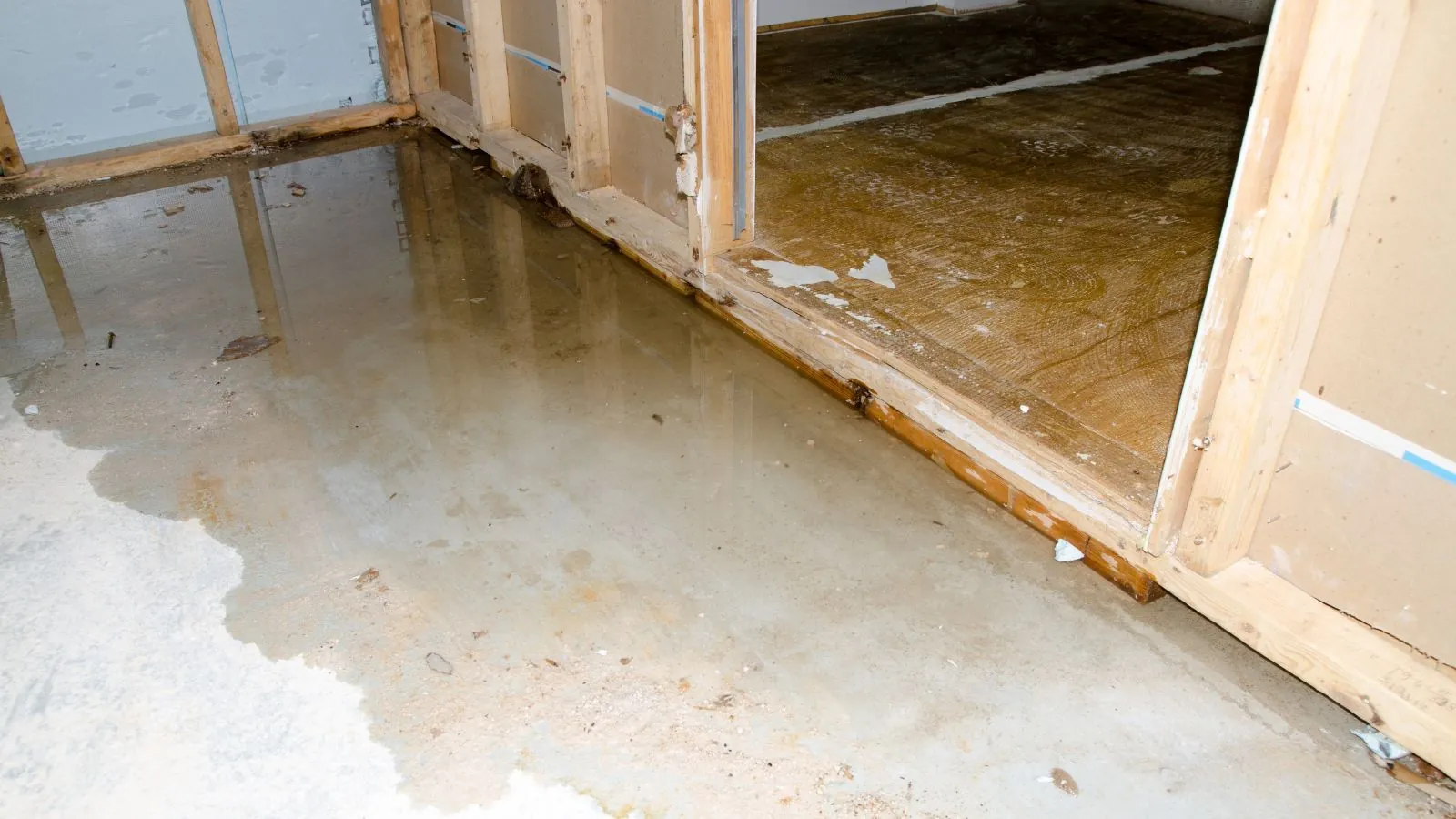
A flooded or seeping basement is an emergency, and our line at (630) 580-6401 is open 24/7. Until a crew arrives, shut off the water if a pipe is the cause, keep out of the room if the water is near the panel or furnace, and move boxes and furniture onto blocks or shelves. Never run a sump pump discharge hose to a spot that drains back toward the foundation.
Basement water damage cleanup means removing the water, taking out wet carpet, drywall and insulation, drying the concrete and framing and checking for mold. It is different from waterproofing. We restore what water has damaged, and we tell you honestly when a drainage or grading problem needs a different contractor.
Act firstWhen a wet basement is an emergency
Water coming up through the floor
Hydrostatic pressure pushes water through cracks and the floor-wall joint when the ground is saturated.
A sump pump that stopped
Power loss and failed floats are the usual causes. The pit fills, and then the floor does.
Water at the walls
Window wells, foundation cracks and gutters that dump at the foundation let water in along the wall.
A musty smell with no visible water
Damp carpet and drywall can hide wet framing. Treat the smell as a sign of water that has already been in the basement for a while.
Why basements flood in and around West Chicago
The city sits in the West Branch DuPage River watershed, and Kress Creek runs through it. When the ground is saturated after a wet spring, groundwater pushes against basement walls and floors, and a sump pump that is undersized or on a single power source has no margin.
The April 2013 storm dropped 5.48 inches of rain on West Chicago in roughly a day, according to the National Weather Service, and basements well away from the river filled. If your basement took water then, it can again, so the repair should include a plan for what caused it.
What basement cleanup involves
Extract the water
Pumps and extraction units clear standing water. See water extraction for how that works.
Remove what cannot be dried
Wet carpet, padding, drywall below the waterline and insulation come out so the framing and slab can dry.
Dry and dehumidify
Air movers and dehumidifiers run until moisture meters read dry. Basements dry slowly, so this is where most of the days go.
Check for mold and rebuild
If growth is found, mold remediation comes before drywall goes back up.
Finished and unfinished basements
An unfinished basement with a bare concrete floor can often be extracted, cleaned and dried in a few days. A finished basement is a bigger job because carpet, pad, drywall, baseboards and sometimes cabinets are involved, and each material dries differently.
We separate what can be saved from what must come out, and we explain it before work starts. Contents are a separate decision, and we flag items worth cleaning, like solid wood furniture, apart from items that are not.
Restoration is not waterproofing
We clean, dry and restore after water damage. We do not install drain tile, regrade yards or repair foundation walls. If the water came from a clear drainage defect, we say so, and you will want a foundation or waterproofing contractor before the rebuild so the same thing does not happen next spring.
A sump pump with a battery backup and gutters that discharge well away from the house solve many of the problems we see, and neither needs a major project.
What drives the cost of basement cleanup
| Cost factor | Why it changes the scope |
|---|---|
| Water category | Groundwater and rain seepage can be Category 2 or 3, which adds removal and treatment. |
| Finished or unfinished | Finished basements have carpet, drywall and trim to remove and later rebuild. |
| Depth and time standing | Water that sat for days wicks higher into walls and needs more material cut out. |
| Drying days | Concrete and framing dry slowly, and equipment days add up. |
| Mold present | Growth adds containment, removal and air filtration before rebuild. |
Most Illinois homeowners policies cover sudden and accidental water damage but not seepage or flood, and sewer or sump backup usually needs an endorsement. We explain the scope and price before work starts. Want your real number? Call (630) 580-6401.
Homes in West Chicago neighborhoods such as Fair Meadows often have basements or crawl spaces that were built decades ago, so the checks above matter there.
Safety steps before help arrives
- Stay out of standing water in basements and crawl spaces until power is off.
- Do not use electrical devices in wet areas.
- Keep children and pets away from the water.
- Document the water level with photos and call (630) 580-6401.
For basement water damage, our water categories, drying goals and documentation follow ANSI/IICRC S500, the published standard for professional water damage restoration.
If the water came from a sewer or drain
Water that backs up through a floor drain is a Category 3 problem. Read our sewage backup cleanup page before anyone goes into the room. If the water came from the ground or a storm, our flood damage cleanup page covers it.
Common questionsQuestions about emergency basement water damage cleanup in West Chicago
Yes. The line is open 24/7, including storms that hit overnight. Call, tell us how deep the water is and where it is coming from, and we will respond as soon as a crew is free. We explain the scope and price before work starts.
We repair the damage. If the cause is drainage, grading or a foundation crack, we tell you so and suggest you bring in a waterproofing or foundation contractor. Restoration is not waterproofing.
Longer than upper floors because concrete and framing hold moisture. We measure with moisture meters and run equipment until the readings are dry, not for a set number of days.
It depends on the cause. Sudden burst pipes are often covered, while seepage and flood usually are not, and sewer or sump backup needs an endorsement. Check your policy and photograph everything.
Basement flooding now?
Call (630) 580-6401 and tell us how deep the water is and what you think caused it.