
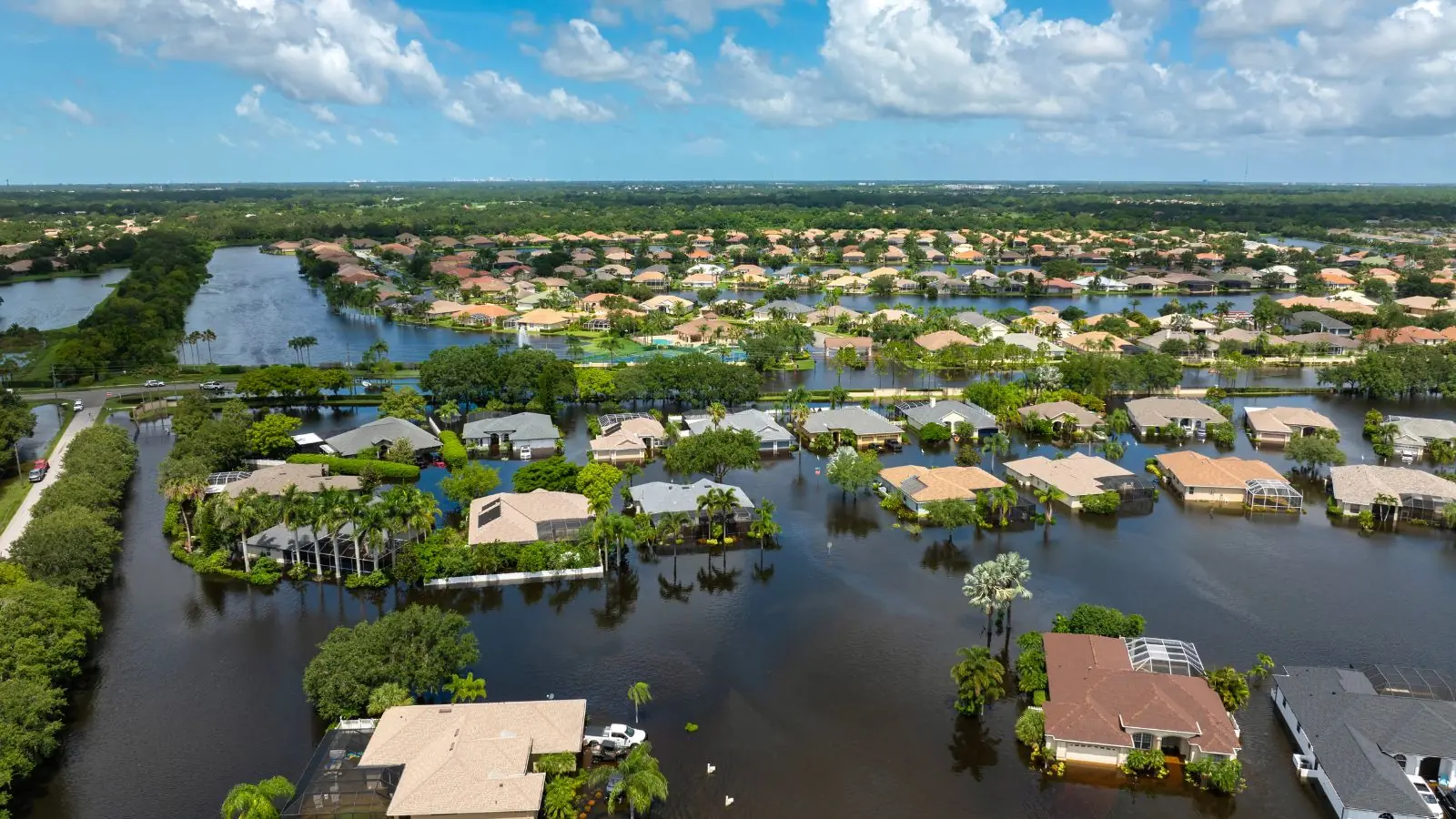
Storm water damage is an emergency when rain is coming through the building, and our 24/7 line at (630) 580-6401 is open. Stay away from downed lines and flooded areas, call 911 for any electrical or gas hazard, move belongings away from wet walls and ceilings, and photograph the damage before anything is moved. Then call us for water removal and drying.
Storm water damage cleanup covers water that gets into a building through the roof, windows, doors, walls or flashing during or after a storm. It is different from flooding, which is rising water, and from a simple roof leak, which belongs with ceiling water damage repair. We handle the water and the damage it leaves, and you will want a roofer for the opening.
Act firstWhen storm damage is an emergency
Wind-driven rain can get past roofing, siding and windows that never leaked in a calm rain. Water follows framing and wiring and often ends up far from the break. A tarp or board-up stops more water, and a roofer or builder provides it. Our job is to get the water out and the structure drying before mold starts.
What storms do to buildings here
Roof and flashing damage
Wind lifts shingles and flashing, and rain follows the gaps into the attic.
Windows and doors
Wind-driven rain pushes past worn seals and into wall cavities.
Fallen trees and limbs
A limb through a roof or window lets in water and debris at once.
Clogged gutters and downspouts
Overflow runs down siding and into foundations and window wells.
Power loss and sump failure
Storms often cut power, which stops sump pumps just when they are needed.
Why this area gets wet
Chicago recorded 8.54 inches of rain in April 2013, its wettest April on record, according to the National Weather Service. West Chicago was in the middle of that event. Storm season here runs from spring through summer, and a single event can drop several inches in a day.
The practical point is to treat a major storm as a trigger for a home check. Walk the attic, inspect ceilings and basement walls within a day or two and photograph anything new, even if nothing looks wrong.
What cleanup involves
Make it safe
We check for electrical hazards, standing water and unsafe ceilings and structures.
Extract and remove
Pumps and extraction units clear water. See water extraction.
Map the moisture
Meters and thermal imaging show where the water traveled in walls and ceilings.
Dry and verify
Air movers and dehumidifiers dry the structure. See structural drying.
Storm damage or flood?
Water that entered from above or through the walls is storm damage. Water that rose from the ground or a river is flood damage, and standing water in a below-grade room may be a basement water damage case. The distinction matters for the cleanup and for insurance.
Insurance and storms
Illinois homeowners policies often cover wind and rain damage that enters through a storm-created opening, but flood is a separate policy. Read your policy, photograph everything and keep damaged materials until your adjuster has seen them if possible. We keep a written record of what was removed and dried.
Safety steps before help arrives
- Stay out of standing water in basements and crawl spaces until power is off.
- Do not use electrical devices in wet areas.
- Keep children and pets away from the water.
- Document the water level with photos and call (630) 580-6401.
For storm water damage, our water categories, drying goals and documentation follow ANSI/IICRC S500, the published standard for professional water damage restoration.
What drives the cost of storm water damage cleanup
| Cost factor | Why it changes the scope |
|---|---|
| How water got in | Roof, window and wall intrusions wet different materials. |
| How long it sat | Water left overnight soaks insulation and drywall far more. |
| Area affected | More rooms and floors need more drying equipment. |
| Materials involved | Insulation, drywall, hardwood and carpet dry differently. |
| Temporary protection | A tarp or board-up is separate from drying and repair. |
We explain the scope and price before work starts, and (630) 580-6401 is the number for your real figure.
Common questionsQuestions about emergency storm water damage cleanup in West Chicago
Yes. The line is open 24/7, including storms that hit overnight. Call, tell us where the water is coming in and we will respond as soon as a crew is free. We explain the scope and price before work starts.
No. A roofer or builder provides temporary protection. We remove water and dry the structure.
Often when water enters through a storm-made opening, but flood is separate. Read your policy and photograph all damage.
As soon as you see water. Water in insulation and drywall can start mold in roughly 24 to 48 hours.
Rain coming through now?
Call (630) 580-6401 and tell us where it is coming in.