
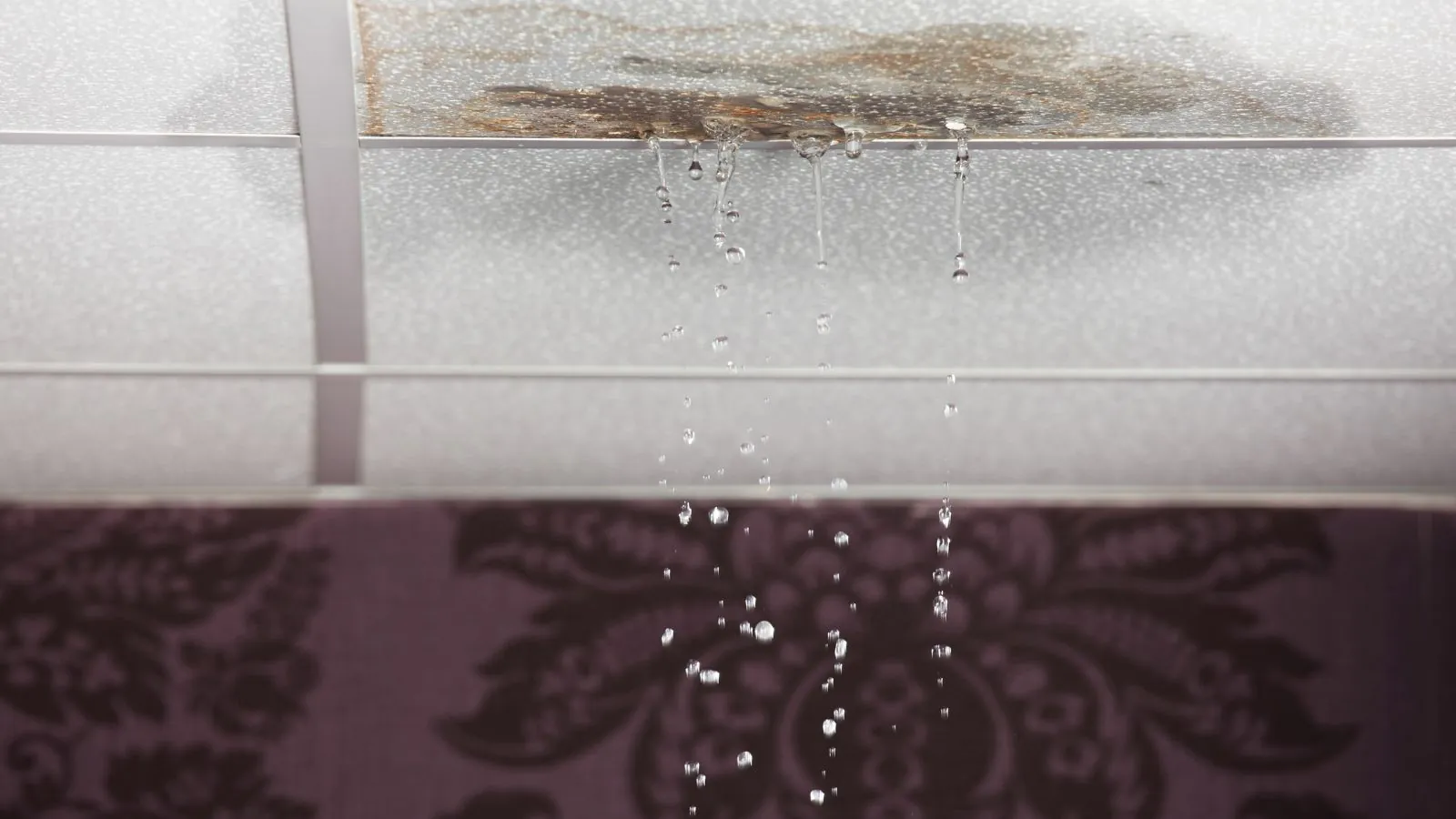
A commercial water loss is an emergency because every hour of downtime costs a business money, and our 24/7 line at (630) 580-6401 is open nights, weekends and holidays. Shut off the water source if you know it, cut power to wet areas only if it is safe, move inventory and equipment up off the floor and photograph everything. Call us, and we will tell you what to do while a crew is on the way.
Commercial water damage restoration covers offices, shops, restaurants, warehouses, multi-unit buildings and other non-residential properties. It uses the same methods as residential work, scaled up, with extra attention to documentation, downtime and coordination with property managers and tenants.
Act firstWhen a business water loss is an emergency
Water can reach inventory, files, computers and electrical gear quickly. A sprinkler discharge, a failed supply line or a roof leak over a sales floor can shut a business down for a day or more. Speed matters most, because the sooner water is out and drying starts, the more can be saved.
What commercial losses look like
Supply and drain failures
Restroom, kitchen and mechanical room leaks that run overnight.
Sprinkler and fire line discharge
A single head can discharge a large volume in a short time.
Roof and drain failures
Flat roofs and clogged drains pond water that eventually finds a way in.
HVAC and condensate
Rooftop and ceiling units drip onto ceiling tiles and equipment.
Storm and flood intrusion
Water entering at doors, loading docks and low spots.
Older buildings downtown
The Turner Junction Historic District is a locally designated commercial district of about 80 structures from the 1855 original plat, and downtown buildings along Main Street include masonry from the nineteenth century. The 1884 Turner Town Hall, now the City Museum at 132 Main Street, is on the National Register of Historic Places.
Older masonry and plaster hold water differently from modern drywall, and shared walls mean a leak next door can reach you. If you own or lease in one of these buildings, ask your landlord where the shutoffs are and how water from a neighbor is handled.
How a commercial job is run
Secure the site
We check electrical, structural and safety issues and protect contents.
Extract and remove
Pumps and extraction units clear water. See water extraction.
Dry the building
Air movers and dehumidifiers run on a schedule with daily readings. See structural drying.
Document and report
We keep dated notes and photographs for the property manager and the insurer.
Keeping the business open
Where possible we dry in phases so part of the building stays in use. We can work around business hours when safe and plan access with the manager. Noise, staging and drying equipment are scheduled so customers and staff can keep working.
Mold becomes a bigger risk when a building stays closed and humid. If growth appears, mold remediation follows containment protocols.
Multi-unit and shared buildings
In apartments, condos and mixed-use buildings, water crosses units. We coordinate with property managers and owners to identify the source and which units are affected. Each unit's scope and documentation is recorded separately so claims are clear. Tenants should also read about sewage backups if shared drains are involved.
Downtown buildings in Turner Junction often share walls and roofs, which is why we agree early on who has access and who calls the insurer.
For commercial water damage, our water categories, drying goals and documentation follow ANSI/IICRC S500, the published standard for professional water damage restoration.
What drives the cost of commercial restoration
| Cost factor | Why it changes the scope |
|---|---|
| Square footage and layout | Larger buildings and many rooms need more equipment and time. |
| Materials | Commercial carpet, ceiling tile, drywall and concrete dry differently. |
| Water category | Category 2 and 3 water need removal and treatment. |
| Downtime and phasing | Working around operations changes the schedule. |
| Contents and inventory | Moving, protecting or disposing of stock adds scope. |
Commercial property policies vary, and many include separate coverage for business interruption. Read yours or ask your agent. We explain the scope and price before work starts, and (630) 580-6401 is the number for your real figure.
Common questionsQuestions about emergency commercial water damage restoration in West Chicago
Yes. The line is open 24/7. Call, tell us what the property is and where the water is coming from, and we will respond as soon as a crew is free. We explain the scope and price before work starts.
Often, depending on the loss. We plan access and phase the work so part of the building can stay in use.
Yes. We coordinate with managers and owners and keep records for each affected unit or tenant.
Dated notes, photographs and moisture readings, so your insurer and manager can see what was done.
Business water loss now?
Call (630) 580-6401 and tell us about the property.