
Sewage backup is an emergency, and our 24/7 line at (630) 580-6401 is open. Stay out of the water, keep children and pets away, stop using sinks, toilets, showers and washers and switch off power to wet areas only if the panel is dry. If the water is near outlets or the furnace, call 911 and the utility first. Do not try to clean it up yourself.
Sewage backup cleanup is the removal and disposal of contaminated water and materials, followed by cleaning, disinfection and drying. Sewage is Category 3 water under the ANSI/IICRC S500 standard, which means it carries bacteria and viruses that make it a health hazard. Crews wear protective gear and porous materials that touched it are removed.
Water coming up a floor drain or out of a toilet?
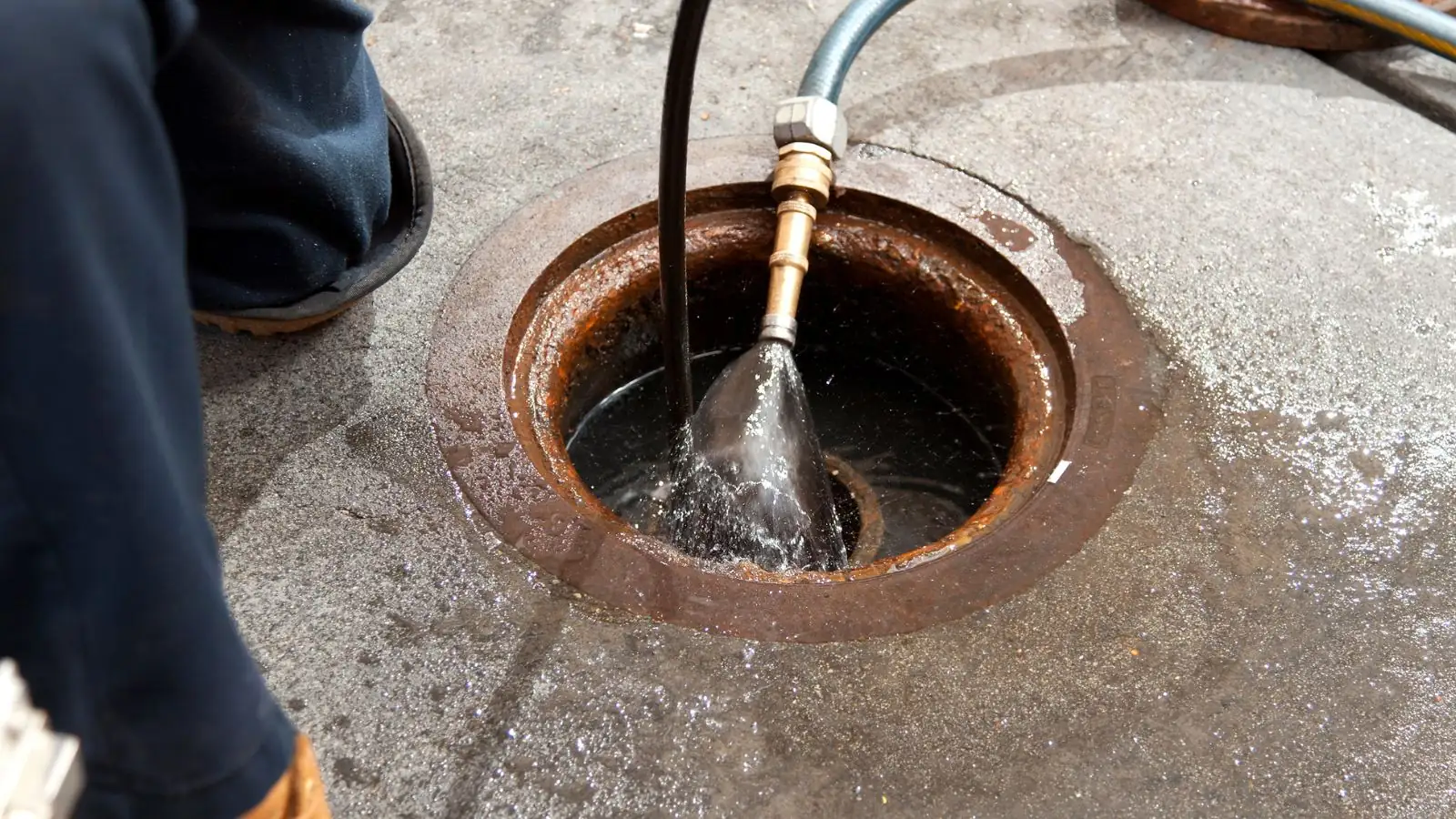
If water is rising in a basement floor drain, a shower or a toilet, or if the smell is sewage, the sewer line is backing up into your house. It can start as a gurgle and become a flood in minutes. This is a different job from a plumbing leak, and Category 3 handling applies from the first minute.
Why sewers back up
A blocked lateral
Roots, grease, wipes and pipe damage can block the line between your house and the main.
A blocked or overloaded main
Heavy rain can push more water into the sewer than it can carry. City Public Works can tell you whether the main is involved.
A failed sump or backwater valve
A sump pump that fails or a missing backwater valve lets water return to a basement drain.
A collapsed or offset pipe
Old clay or cast iron lines can shift and block flow.
Shared lines
Multi-unit buildings and condos share drains, so one blockage affects several units.
Who owns which part of the line
In most places, the city owns the sewer main under the street and the homeowner owns the lateral to the house. In West Chicago, Public Works has a Wastewater Treatment division and a Utilities division, and they can tell you whether the main is blocked. A plumber clears or repairs the lateral, and we handle the contamination inside the house.
What cleanup involves
Protect and contain
Crews wear protective gear. We isolate the area and set up containment to keep contamination out of clean rooms.
Extract the water
Pumps and extraction units remove contaminated water. See water extraction.
Remove what cannot be cleaned
Carpet, padding, drywall and insulation that touched sewage are removed and disposed of.
Clean, disinfect and dry
Surfaces are cleaned and treated, then dried with air movers and dehumidifiers until meters read dry.
What can be saved and what cannot
| Material | Contact with sewage | Why |
|---|---|---|
| Concrete and sealed framing | Clean, disinfect and dry | Nonporous or can be cleaned. |
| Drywall and insulation | Remove | Porous, absorbs contamination. |
| Carpet and pad | Remove | Cannot be sanitized in place. |
| Upholstered furniture and mattresses | Usually discard | Soft goods hold contamination. |
| Hard, nonporous contents | Often cleanable | Can be washed and disinfected. |
General guidance based on the published S500 standard. We assess each material on site.
Insurance and sewer backup in Illinois
The Illinois Department of Insurance notes that standard homeowners policies cover some sudden and accidental water damage, but sewer backup and sump pump failure are covered only if that coverage was added to the policy. Check whether you have a sewer backup endorsement before you file.
We document the loss in writing and photograph what is removed. That record helps whether or not your policy covers it.
What drives the cost of sewage backup cleanup
| Cost factor | Why it changes the scope |
|---|---|
| Water category | Category 3 requires protective gear, disposal and disinfection. |
| Area and depth | More floor area and deeper water mean more removal. |
| Materials removed | Carpet, drywall and insulation must be replaced later. |
| Contents | Soft goods that touched sewage are discarded. |
| Drying and clean-up days | Disinfection and drying add time and equipment. |
We explain the scope and price before work starts, and (630) 580-6401 is the number for your real figure. For a basement with sewage, also read basement water damage cleanup.
Common questionsQuestions about sewage backup in West Chicago
Yes. The line is open 24/7. Stay out of the water and call, and we will respond as soon as a crew is free. We explain the scope and price before work starts.
Yes. It can carry bacteria and viruses and should be handled only with protective gear. Keep children, pets and anyone with a weak immune system away.
Usually a blocked sewer line or an overloaded sewer after heavy rain. Stop using water, avoid the area and call a plumber. Call us for cleanup.
Only if your policy has a sewer backup endorsement. Check before you file and keep records of everything.
Sewage in the house?
Call (630) 580-6401 and tell us where it is and how deep.