
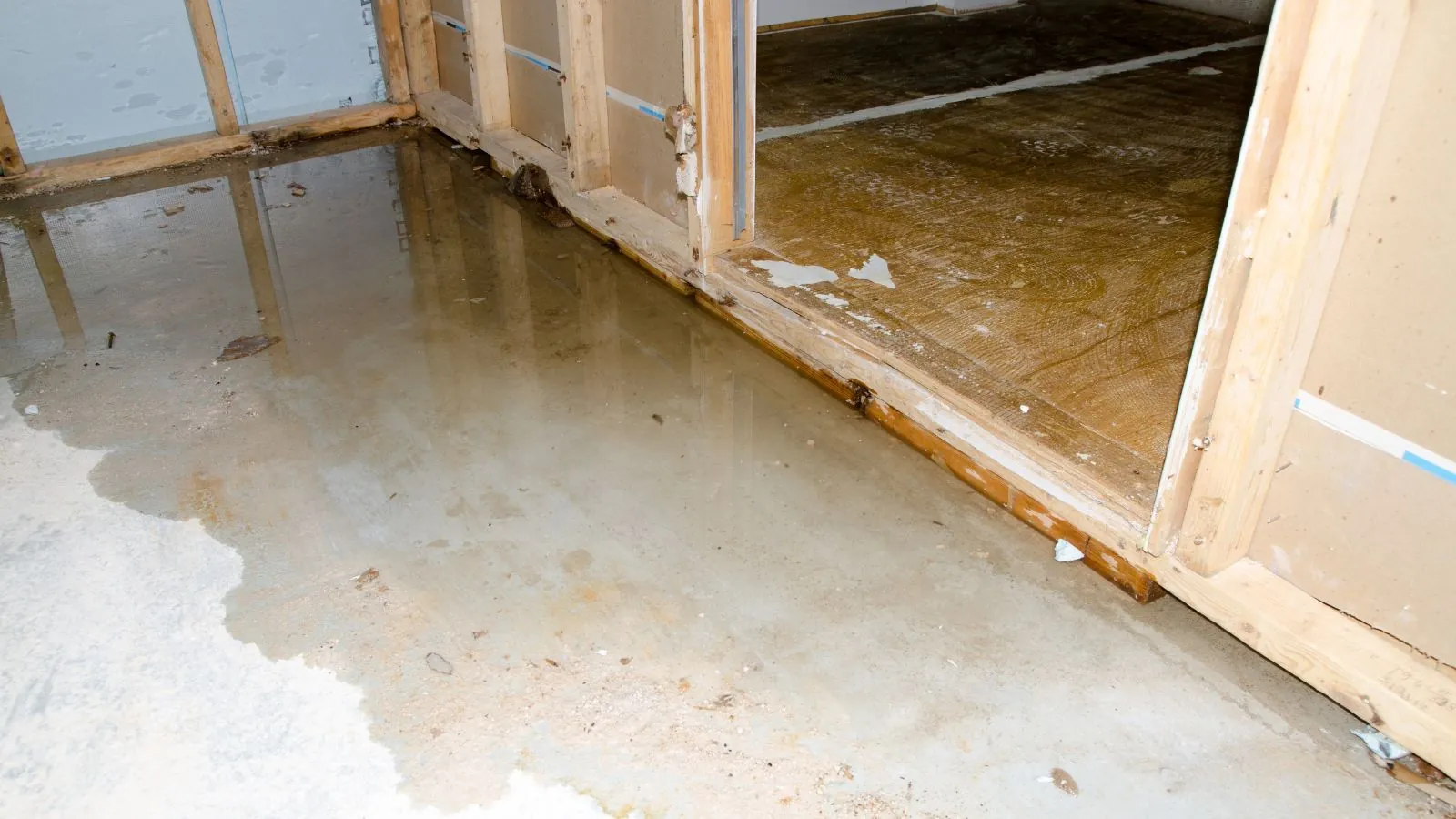
To treat mold in a basement, you treat the moisture. Mold needs water, and the EPA's guidance states that moisture control is the key to mold control. This guide is about keeping a basement dry enough that mold does not return, using humidity targets, drainage and ventilation, not sprays.
If mold is already growing on large areas of drywall or carpet, that is a removal job. Read mold remediation for what it involves. This page is about prevention and long-term control.
Know your humidity
The EPA recommends keeping indoor relative humidity below 60 percent, ideally between 30 and 50 percent. A basic hygrometer shows you where your basement sits. Check it in summer, when humid air enters and cool concrete makes it condense.
Place it in the corner farthest from the stairs, where air moves least. If it reads above 60 percent for days at a time, treat the room as a mold risk even if you see nothing.
Control moisture at the source
| Moisture source | What helps |
|---|---|
| Gutters and downspouts | Extend downspouts several feet from the foundation and keep gutters clear. |
| Grading | Slope soil away from the foundation so water does not pool. |
| Window wells | Keep covers and drains clear so rain does not enter. |
| Sump pit | Test the pump each spring and consider a backup. |
| Plumbing leaks | Fix drips and check supply lines and water heater connections. |
| Condensation on pipes and walls | Insulate cold water pipes and run a dehumidifier. |
| Dryer and bathroom vents | Vent to the outside, not into the basement. |
Dehumidifiers, fans and ventilation
A properly sized dehumidifier with a drain hose, so you do not have to empty a bucket, is the most reliable tool. Clean the filter and check it at the start of each season. Fans help move air but do not remove moisture, and opening windows in humid weather can make things worse.
Storage and finishing choices
- Store items on shelves, not on the floor, and keep cardboard boxes away from walls.
- Avoid carpet directly over a concrete slab in a damp basement.
- Use moisture-resistant materials for finishing, and leave a gap behind drywall at the floor.
- Leave space around furnaces and water heaters so air can move.
A reason to plan for spring in West Chicago
The 1991 to 2020 NOAA normals for O'Hare show about 37.86 inches of precipitation a year. That is plenty of rain to keep groundwater high in spring. The Illinois Nature Preserves Commission describes the nearby West Chicago Prairie as including wet prairie and freshwater marsh, a reminder that parts of the area are seasonally wet. If your basement sits on low ground, plan for a damp season.
Why the treatment never works without drying
Products that claim to treat mold only work on a surface. They do nothing for the damp material underneath, and growth returns when moisture does. This is why drying is step one in every credible guide, including the EPA's.
Think of treatment as the last step after the source is fixed, wet materials are removed and the area is dry.
A sensible order for a small basement patch
Fix the source
Gutters, grading, a leaking pipe or a failed sump pump.
Protect yourself
Wear gloves, eye protection and a well-fitting respirator while cleaning.
Remove porous material
Take out wet insulation, ceiling tile and drywall with growth.
Clean hard surfaces
Detergent and water, then dry. Never mix cleaning products.
Dry and monitor
Dehumidify and watch humidity and surfaces for several weeks.
When it is not a do-it-yourself job
- Growth covers more than about 10 square feet.
- The material was soaked by sewage or floodwater.
- It keeps coming back after cleaning.
- It is inside walls, ducts or under flooring.
- Someone in the home has concerns about the work.
In those cases, see mold remediation. Illinois requires registration for mold remediation companies under a law effective January 1, 2025, so ask any company about it.
Humidity targets and tools
A hygrometer costs little and tells you whether the room is staying in range. Check it at different times of day, since basements are most humid in the afternoon in summer. Readings above 60 percent for days at a time invite growth.
A dehumidifier sized for the space and set to drain continuously does most of the work. Empty-bucket models often stop when full, which defeats the purpose when you are away.
What testing can and cannot tell you
Air or surface tests can show what kinds of spores are present, but results vary by day and by method. They do not tell you where the moisture is. The EPA does not recommend routine sampling when growth is visible, because the response is the same, find the moisture and remove the growth.
If you want an independent opinion, hire an assessor who does not also sell remediation. That keeps the testing and the work separate.
Mistakes people make with treatments
- Spraying a product on wet drywall and leaving it in place.
- Mixing bleach with ammonia or acidic cleaners.
- Cleaning without ventilation.
- Not wearing eye protection.
- Covering stains with paint before the area is dry.
Safety steps before help arrives
- Do not disturb visible growth by scrubbing dry or sweeping.
- Keep the area closed off from the rest of the house.
- Wear gloves, eye protection and a respirator if you must enter.
- Stop the moisture source and call (630) 580-6401.
Where this guide uses restoration terms such as water categories and drying goals, they come from ANSI/IICRC S500, the published standard for professional water damage restoration.
When treating the moisture is not enough
If a wall or floor stayed wet for a day or two, the materials may need drying or removal, and our structural drying page explains how. For a basement that has actually flooded, see basement water damage cleanup.
Homeowners in Bartlett and Carol Stream can read our Bartlett and Carol Stream pages for what we cover there. Our line is (630) 580-6401.
Common questionsQuestions about this topic in West Chicago
The EPA suggests below 60 percent and ideally between 30 and 50 percent. Use a hygrometer to check, especially in summer.
It slows or stops growth by lowering humidity. It does not remove mold that is already there.
Sealers can help on some walls, but they do not fix leaks or grading. Address the water source first.
Until moisture readings say the materials are dry. A hygrometer alone does not tell you that, so use a moisture meter for building materials.