
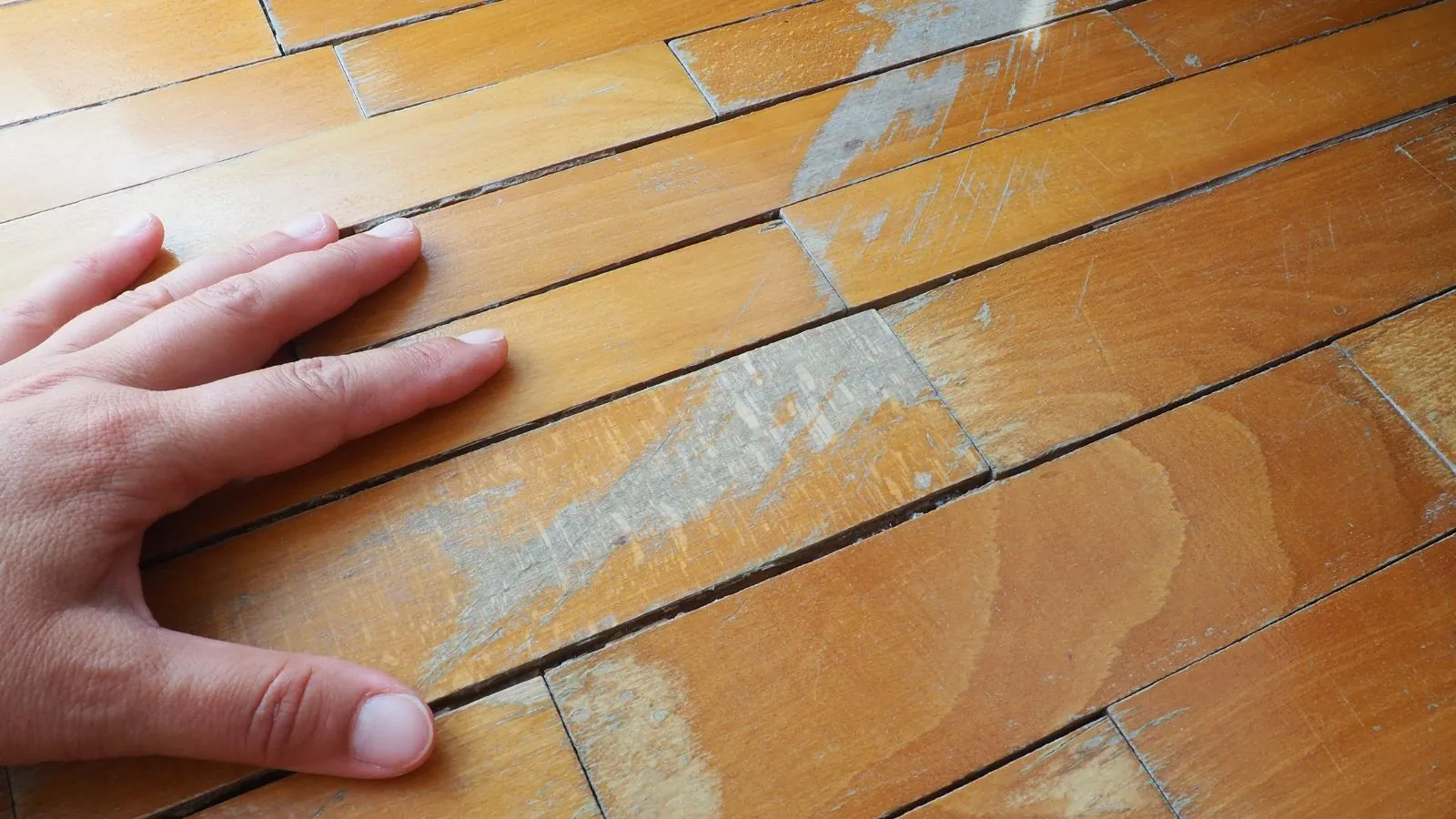
Water damage and a home sale make an awkward pair. Buyers worry about it, inspectors look for it, and sellers are not always sure what they have to say about it. This guide covers how water damage affects a sale in West Chicago, IL, what Illinois asks sellers to disclose and how repairs fit into the timeline.
It is general information, not legal advice. For questions about your own disclosure duties, talk to a real estate attorney or your agent.
What Illinois asks sellers to report
Illinois has a Residential Real Property Disclosure Act, found at 765 ILCS 77. It requires most sellers of one to four unit residential property to give buyers a disclosure report. The report includes questions about flooding or recurring leakage in the basement or crawl space, and about defects in the roof, walls and plumbing.
The law is about what the seller knows. A seller is not asked to guess about hidden problems, but is expected to answer honestly about known ones. Past leaks that were fixed still belong in the conversation, and the repair records help you explain them.
Fixed, documented and dry beats hidden
A buyer who finds a stain or a smell during a showing will assume the worst. A seller who can hand over the repair invoice, the moisture readings and the photographs usually has an easier conversation. Documentation turns an unknown into a closed issue.
Keep the scope of work, the daily drying logs and proof that the final readings matched dry reference materials. Our structural drying page explains what those logs should show.
What an inspector looks for
| Sign | What it may suggest |
|---|---|
| Stains on ceilings or walls | Past or current leaks above. |
| Efflorescence on basement walls | Moisture moving through masonry. |
| Musty smell | Hidden moisture or old mold growth. |
| Swollen baseboards or buckled floors | Past flooding or a slow leak. |
| Fresh paint in one patch | A repair that may or may not have addressed the cause. |
| Dehumidifier running in a basement | Chronic dampness. |
An inspector reports what is visible. A moisture meter or thermal camera may be used to look further.
Before you list
Find the source
Fix the leak, grade or pump issue, not just the stain.
Dry and verify
Dry the structure and confirm with readings. See basement water damage cleanup.
Address growth if present
If mold is found, see mold remediation for what removal looks like.
Rebuild and document
Replace finishes and keep the paperwork together.
When the buyer's inspection finds something
A buyer's inspection often leads to a request for repairs or a price change. If the issue is active water, expect the buyer to want it fixed before closing. If it is old staining on a dry surface, a moisture reading can settle the matter.
Ask your restoration company for a written summary of what was found and what was done. A neutral third-party assessment can also help if the two sides disagree, since the company doing the repair is not the one judging it.
Selling in a town with older basements
Many West Chicago homes sit on basements and crawl spaces that have seen heavy rain over the years. The April 2013 storm brought 5.48 inches of rain to West Chicago and 6.13 in Winfield, and buyers who remember it will ask about it. If your home took water then, say what was done. If it did not, say that too, and show the sump system and the grading.
Insurance claims and the sale
A past claim can show up in a CLUE report, a record of insurance claims tied to the property, and buyers' insurers may ask about it. Ask your agent how claims history is handled in your transaction. Ask your insurer how sudden losses are treated under your policy.
Do not go back and open a claim just to sell. Talk to your insurer about what is appropriate.
What buyers ask and how to answer
| Buyer question | Helpful answer |
|---|---|
| Has the basement ever flooded? | Yes or no, with date, cause and repair. |
| Is there a sump pump? | Where it is, its age and whether it has a backup. |
| Has there been a claim? | What it covered and what was done. |
| Is there mold? | What was found, what was removed and how it was verified. |
| Why is that wall freshly painted? | What was repaired and the records to show it. |
Keep answers factual and consistent with the disclosure report.
Honest, documented answers build trust. Vague answers invite a lower offer or a walk-away.
If you inherited the house, say what you know and what you do not. Your agent or attorney can advise on how to word it.
Pre-listing checklist for a home with a water history
- Gather repair invoices, photos and moisture logs.
- Confirm that sump pumps and drains work.
- Check gutters, grading and downspouts.
- Confirm that no active leak or stain remains.
- Talk to your agent about how to word the disclosure.
- Consider an independent inspection before listing.
Buyers respond well to a seller who has done the work in advance. It shortens negotiations, and it lowers the chance of a surprise at inspection.
For a home with a crawl space, see crawl space water damage for what dry-out and ventilation look like.
Where this guide uses restoration terms such as water categories and drying goals, they come from ANSI/IICRC S500, the published standard for professional water damage restoration.
If the house is sold as is
Selling as is does not remove disclosure duties. It tells the buyer you will not fix what is found. Buyers often respond with a lower offer, but a documented dry-out can still protect your price.
If you are in Carol Stream or Bartlett, see how we handle those villages on our Carol Stream and Bartlett pages. Call (630) 580-6401 when you are ready to dry out before listing.
Common questionsQuestions about this topic in West Chicago
The disclosure report asks about known flooding or recurring leakage in basements and crawl spaces. Ask your attorney how it applies to your situation.
Usually yes if it is active. Dry the structure, fix the cause and keep records. Cosmetic work alone can raise buyer doubts.
It can raise questions. Documentation of the repair and a dry reading help answer them.
It can provide a scope, photographs and moisture readings. Some buyers also hire a separate assessor.