
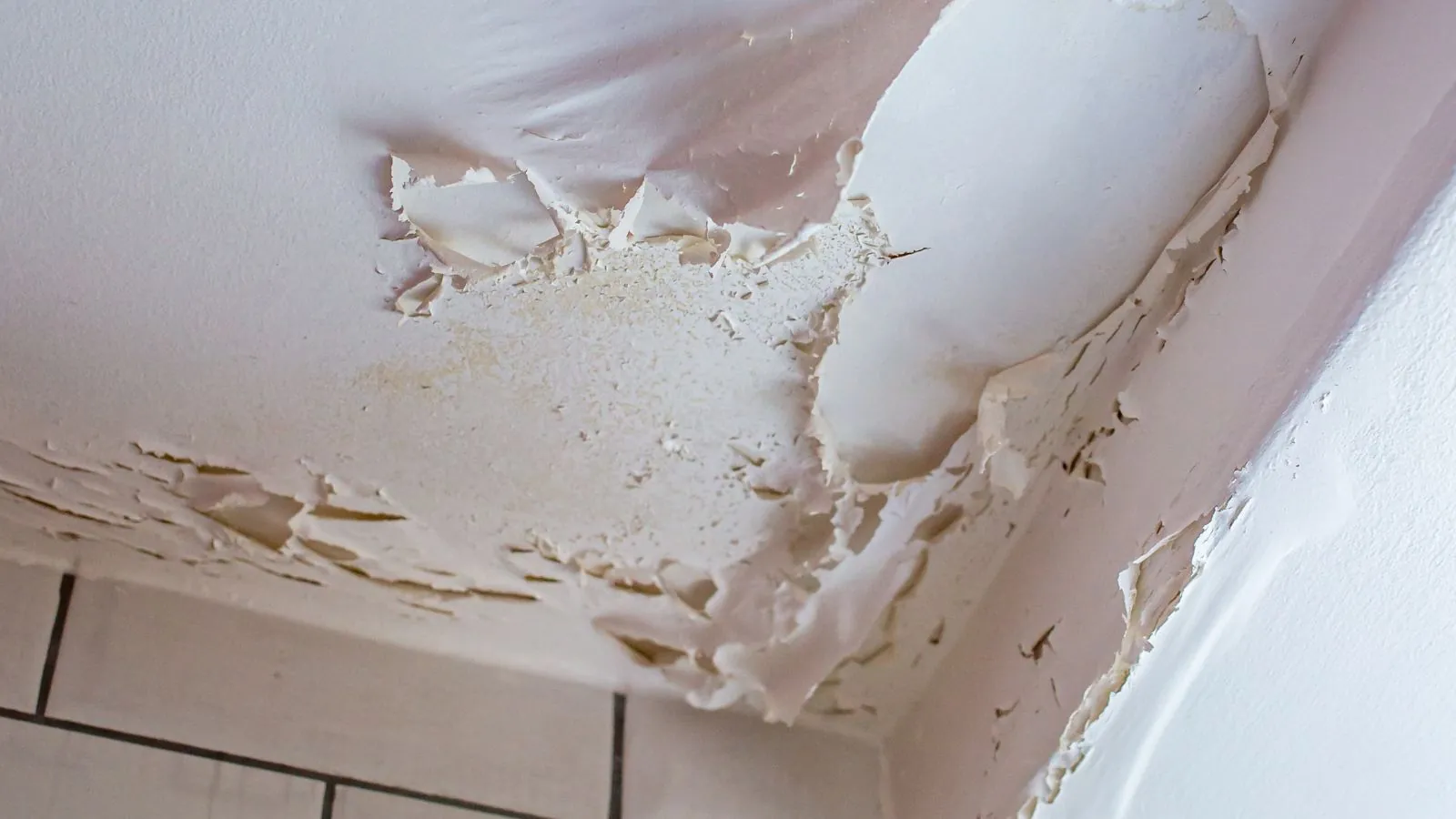
Water damage in a rental raises a question that owners do not face: who is responsible for what? The answer depends on your lease, on how the damage happened and on the rules where you live. This guide gives renters and landlords in West Chicago, IL a practical order of operations.
It is not legal advice. For disputes, talk to a local attorney or legal aid office.
If you rent: do these first
Make it safe
Stay out of standing water near outlets and call 911 for hazards.
Tell the landlord in writing
Phone first if it is urgent, then send a text or email so there is a record.
Photograph everything
Take pictures and video of the damage and your belongings.
Protect your things
Move belongings out of the water if it is safe, and keep receipts.
Call your renters insurer
Ask about contents, additional living expenses and your deductible.
Who pays for what
| Item | Usually the responsibility of |
|---|---|
| Building, walls, floors and plumbing | The landlord and the building policy. |
| Your belongings | You, through renters insurance. |
| Hotel or temporary housing | Depends on the lease, the cause and your coverage. |
| Damage caused by tenant negligence | May fall on the tenant. |
| Damage from a failed building system | Usually the landlord. |
Your lease and local law decide the final answer.
If you own the rental: act quickly
A landlord's first duty is to stop the water and protect the building. Call a restoration company, and keep the tenant informed about access and timing. The sooner the building is dry, the less the repair will cost and the sooner the unit can be rented again.
Document everything for your insurer. That includes photographs, the lease, the tenant's report and the restoration scope.
Multi-unit buildings
In apartments, condominiums and townhomes, water from one unit often reaches others. A failed supply line upstairs can wet a ceiling below. Report the problem to building management right away, since they may need to shut off a riser or call a vendor.
For a wet ceiling, see ceiling water damage repair. For a larger building with several units, our commercial water damage restoration page describes how multi-unit and commercial losses are handled.
Mold in a rental
If water stayed on materials, mold can follow. Do not try to scrub a large area yourself. Tell the landlord in writing, and keep photos. Our mold remediation page explains how larger growth is handled, and Illinois has a registration law for mold remediation companies that took effect January 1, 2025.
Renting in the West Chicago area
Local rules on rental repairs vary by municipality, and a lease can add its own terms. West Chicago, Winfield, Carol Stream and Bartlett each have their own village or city offices. If a landlord does not respond, ask the local building or code office what it handles, and consider legal aid for deadlines and rights.
Move-out and deposit questions
Water damage can end up in a security deposit dispute. Photographs from move-in, a written report of the loss and proof of when you told the landlord all help. If the damage came from a building system, the tenant is typically not charged for it, but the lease and local law decide.
If you need to move out because the unit is unlivable, ask in writing how rent will be handled and who will cover temporary housing. Your renters insurer may cover additional living costs under some policies.
What a landlord should tell a tenant
- When the restoration crew will arrive and how access will work.
- How long drying equipment will run.
- Whether the unit is safe to stay in.
- What happens to belongings that need to be moved.
- Who to call with questions.
Clear communication prevents most disputes. See structural drying for what tenants will see during dry-out.
Safety and habitability
Standing water, sewage, mold and electrical hazards can make a unit unsafe. If you are a tenant, do not stay in a space you think is unsafe, and put your concerns in writing. For a sewage backup, see sewage backup cleanup, since that water needs professional handling.
If a landlord is unresponsive, ask the local code office what steps are available. Keep a record of every call.
Landlord checklist after a loss
- Stop the source and make the unit safe.
- Notify the insurer.
- Call a restoration company and authorize work.
- Tell the tenant what to expect.
- Keep the scope, readings and invoice.
Utilities and shutoffs in a multi-unit building
Know where your unit's water shutoff is. In many apartments it sits under a sink or behind a panel near the water heater. Tell your landlord if you cannot find it, since a few seconds can save a ceiling downstairs.
Managers can keep a list of building shutoffs and the vendors to call. That list is worth having before a loss, not after. See appliance leak water damage for the most common cause in rentals.
Talking to a neighbor or building manager
If water is coming from the unit above, knock and tell the occupant, then call the manager. A short, calm note with a photograph helps. Avoid blame until the cause is known, since a failed building line is not the fault of the person living above.
Once the source is stopped, ask the manager who will dry the affected units and when. Delay in one unit can mean damage in several.
Safety steps before help arrives
- Turn off power to wet areas only if you can reach the panel safely.
- Stay away from water that came from drains or toilets.
- Lift valuables and electronics to dry rooms.
- Call (630) 580-6401 and tell us what the water touched.
Where this guide uses restoration terms such as water categories and drying goals, they come from ANSI/IICRC S500, the published standard for professional water damage restoration.
Keep the paper trail
- Lease and any addenda.
- Written notices to and from the landlord with dates.
- Photographs and video of the damage.
- Receipts for emergency purchases.
- Insurance claim numbers and adjuster names.
- The restoration scope and moisture readings.
If you are a landlord or manager in Carol Stream, see our Carol Stream page. Call (630) 580-6401 when water has reached a unit.
Common questionsQuestions about this topic in West Chicago
The landlord usually handles the building, and the tenant's insurance handles the tenant's belongings. The lease and cause of damage matter.
If it is unsafe or unlivable, talk to your landlord and your insurer about temporary housing and your lease.
A landlord's policy does not cover your belongings. Renters insurance does.
In an emergency a tenant can report to the landlord first. The landlord normally authorizes work on the building.