
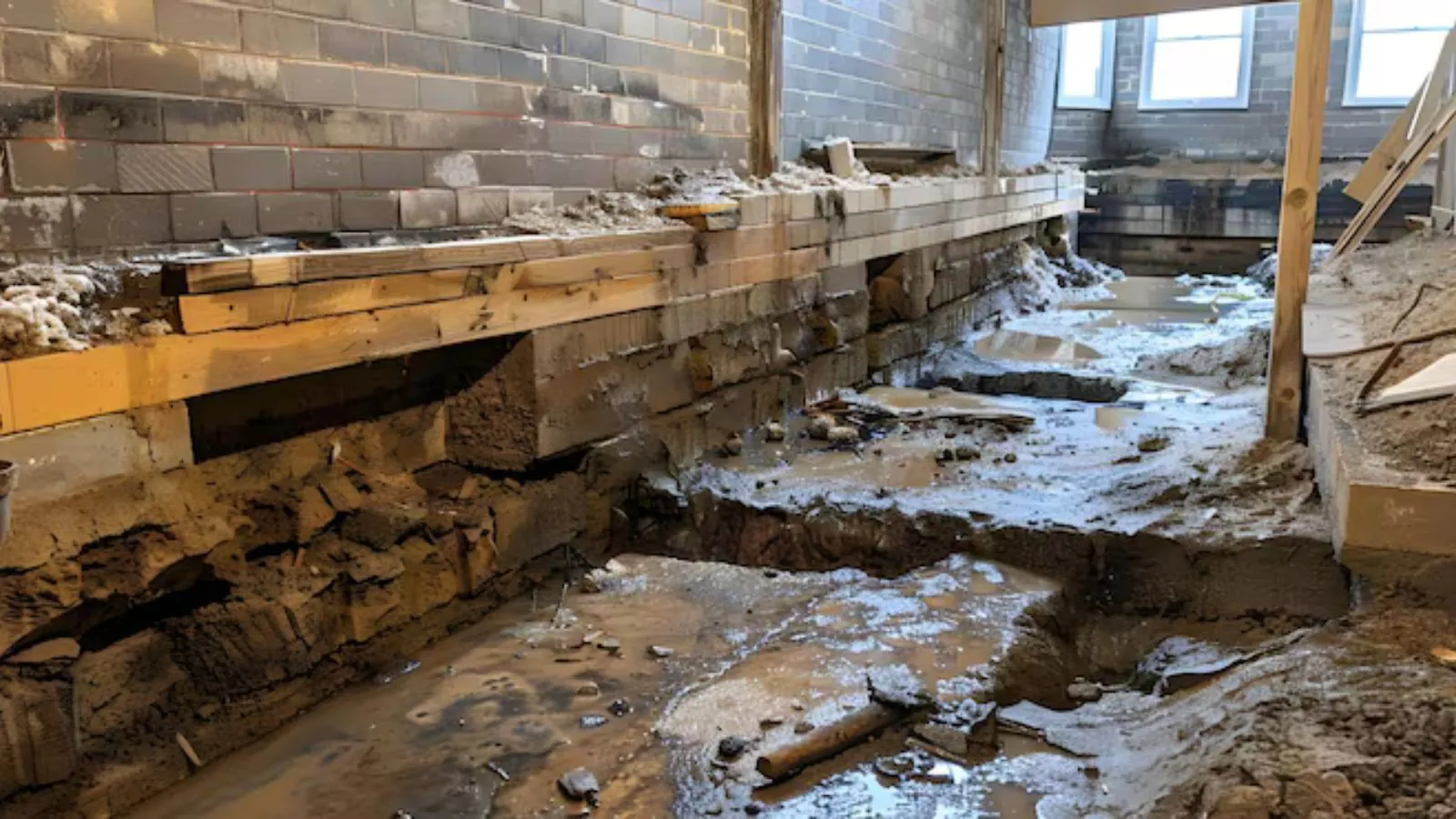
A water damage estimate is only useful if you can compare it to another and know what is missing. This guide explains what a restoration estimate in West Chicago, IL should include, how to read it and what to be careful of. We do not publish prices here, because a fair number depends on the loss.
Instead, here is a checklist for comparing what you are shown.
What an estimate should include
| Line | What it tells you |
|---|---|
| Water category | Whether the water was clean, aged or contaminated. |
| Rooms and square footage | Which areas are affected and how large they are. |
| Extraction | How water will be removed and what equipment is used. |
| Demolition and disposal | What materials are coming out and where they go. |
| Drying equipment | How many air movers and dehumidifiers and for how many days. |
| Monitoring | How often moisture is measured and how it is documented. |
| Contents handling | Whether moving, cleaning or disposing of belongings is included. |
| Rebuild | Whether reconstruction is included or priced separately. |
| Change process | How changes are approved and priced. |
The price is not the whole story
A low number can leave out whole categories. Compare scope before you compare price. Two estimates for the same house can differ by the number of drying days, the amount of material removed and whether rebuilding is in the number.
Ask each company to explain the difference in plain words. A good estimator explains why a wall is coming out and what the meter said.
Warning signs
- A single lump sum with no breakdown.
- No mention of water category or moisture readings.
- Pressure to sign a work authorization before the scope is explained.
- A promise of an exact arrival time or a fixed outcome.
- No explanation of how changes will be priced.
Equipment and days
Drying costs usually follow equipment and days. More wet area means more air movers and dehumidifiers, and denser materials like hardwood and concrete dry more slowly. An estimate should say how many pieces and how many days it assumes, and what happens if drying takes longer.
The best protection is daily moisture readings. They show whether drying is on schedule and when equipment can come out. See structural drying for how this works.
Extraction, demolition and disposal
Extraction removes standing water, as described on our water extraction page. Demolition removes materials that cannot be dried. Disposal covers hauling and fees. Check that all three are named, because they are often rolled into a vague line.
Comparing estimates in West Chicago
If your project involves rebuilding, check with the West Chicago Building Division about permits and ask each contractor who pulls them. The city asks that inspections be requested at least 24 hours ahead, which affects your schedule and your estimate.
Insurance and your estimate
If you are filing a claim, your insurer will write its own estimate. The two may not match. Ask your restoration company for a written scope and share it with the adjuster. The more detailed it is, the easier it is to reconcile.
For a leak that started with a failed pipe, see burst pipe water damage. For a basement loss, see basement water damage cleanup.
Questions that reveal the real scope
- How many rooms and how many square feet are in the estimate?
- What water category are you assuming?
- How many air movers and dehumidifiers and for how many days?
- Which materials are coming out and why?
- Is contents handling included?
- Does this include any rebuilding?
- How are changes priced and approved?
Write down the answers. If two companies give very different answers about the same room, ask each to explain how they measured it.
A fair estimator will walk the property with you, show you the readings and explain the plan. If a number arrives by text before anyone has seen the loss, treat it as a rough range, not a quote.
Common reasons a number grows
| Reason | What it means |
|---|---|
| Hidden wet insulation | Found after a wall is opened. |
| Longer drying | Dense materials held more water than expected. |
| Higher water category | Contamination changes the work. |
| Added rooms | Water traveled farther than the first look showed. |
| Code upgrades during rebuild | Permits and inspections add steps. |
A good scope explains how each is handled.
See basement water damage cleanup for a typical lower-level scope.
Things an estimate cannot know
An estimate is made from what can be seen. It cannot know what is inside a wall until the wall is opened. Moisture readings help, and a thermal camera can show cold, wet areas, but demolition reveals the final picture.
Good companies say so up front. They explain what they assumed and what would change the number. That honesty is worth more than a precise-looking figure.
How to keep an estimate fair
- Ask for a written scope with quantities.
- Take your own photos before work begins.
- Ask for daily logs.
- Request change orders in writing.
- Hold final payment until the final readings are shown.
A note on payment
Payment terms belong in the estimate. A common pattern is a deposit to start, progress payments tied to completed work and a final payment after final readings. Be careful with any request to pay the full amount in advance.
If your insurer is paying, ask how the check will be issued and who endorses it. Keep copies of every payment record with your claim file.
Where this guide uses restoration terms such as water categories and drying goals, they come from ANSI/IICRC S500, the published standard for professional water damage restoration.
What we do differently
We explain the scope and price before work starts. We tell you what the meter says and why a wall is coming out. If you live in Winfield or Carol Stream, see how we cover your area on our Winfield and Carol Stream pages. Call (630) 580-6401 for your real number.
Common questionsQuestions about this topic in West Chicago
Different scopes. One may include more drying days, more demolition or rebuilding, and another may leave them out.
Sometimes. Many restoration estimates cover mitigation and drying only, with reconstruction priced separately. Ask which one you are looking at.
It can if hidden damage is found. A good company explains how changes are approved and priced before work starts.
Not usually. It handles permits and inspections for the rebuild, not the estimate itself.