
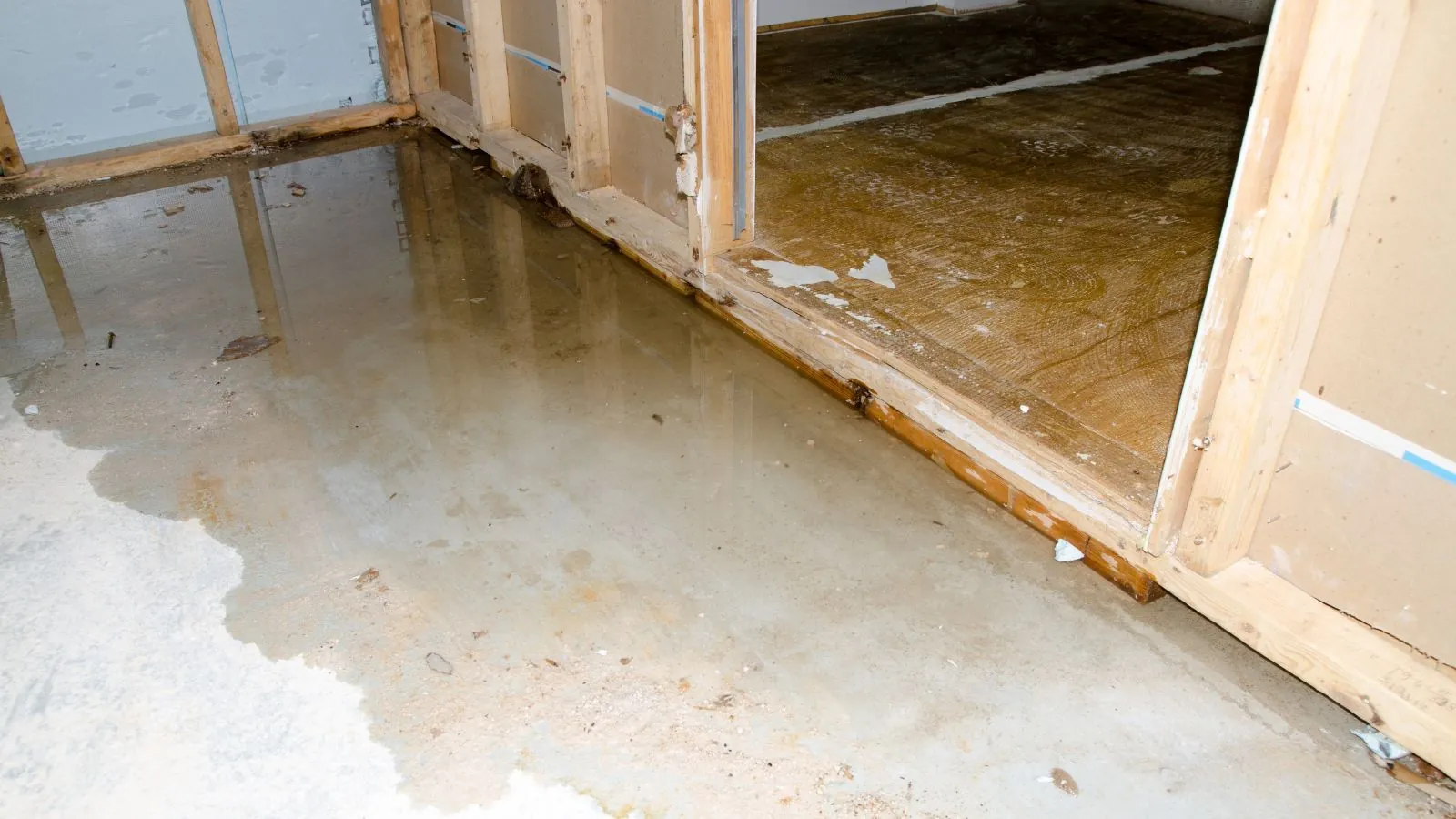
Water damage in a mid-century subdivision
Fair Meadows is a residential subdivision on the west side of West Chicago. Real-estate directories place it west of Route 59 and north of Roosevelt Road, and they describe single-family homes built mostly in the 1960s and 1970s. Directories disagree on exact build years and boundaries, so check your own tax record for your home's year built.
If water is spreading through a home here, call (630) 580-6401. We are based in West Chicago, and we explain the scope and price before work starts.
Where this page applies
Fair Meadows and the adjoining subdivisions that directories list nearby, including Roosevelt Highlands, Alta Vista and Hillside.
Typical homes
Single-family houses with basements or crawl spaces and original systems that are now decades old.
Best first call
Your plumber for the source, then our line for extraction and drying.
What fifty-year-old systems tend to do
A house built in the 1960s or 1970s is old enough that parts have been replaced and parts have not. Water heaters wear out in about a decade, supply hoses on washers and dishwashers perish, and copper lines can develop pinholes. Clay or older plastic sewer laterals can crack or shift.
None of that is specific to one street, and we do not claim a pattern for Fair Meadows. It is simply a reasonable checklist for houses of this age. Read appliance leak water damage and burst pipe water damage to see how those failures unfold.
A seasonal checklist
| When | What to check | Why |
|---|---|---|
| Spring | Sump pump, discharge pipe and gutter downspouts | Heavy rain tests a basement first. |
| Summer | Washing machine hoses, water heater and dishwasher connections | Slow leaks go unseen for weeks. |
| Fall | Outdoor spigots, window wells and grading near the foundation | Water should move away from the house. |
| Winter | Pipes in outside walls, garages and crawl spaces | Frozen pipes split when they thaw. |
Basements and crawl spaces
Many homes of this era have a full basement, a partial one or a crawl space. A finished basement hides water behind carpet and paneling. A crawl space stays damp quietly and can grow mold before anyone looks.
If a basement floods, stay out until the power is off. See basement water damage cleanup for how we handle it, and crawl space water damage if the water is under the floor.
Rain and the 2013 storm
Heavy spring rain is the regional pattern to plan around. After the April 2013 storm the city described closed roads and wet basements but named no neighborhoods, so be wary of anyone who says Fair Meadows is flood-prone without showing a source.
Neighborhood-specific FEMA flood-zone status not verified. For a specific address, use the city or FEMA's public map service.
Insurance and documentation
Policies differ, so read yours. Many Illinois homeowners policies address sudden and accidental leaks, while sewer backup, sump pump failure and flood are often handled by separate coverage. We make no promise about what an insurer will pay. We record moisture readings, materials and photographs so your adjuster has a clear file.
Find the shutoff
Know where the main valve is before you need it.
Cut risk first
Turn off power to wet areas only from a dry panel.
Lift contents
Raise furniture and boxes onto blocks and keep wet rugs outside.
Call
Call (630) 580-6401 and tell us where the water is and what it touched.
In Fair Meadows, as everywhere, our drying goals and water categories follow ANSI/IICRC S500, the published standard for professional water damage restoration.
Related services
When the water is standing, water extraction comes first. After it, structural drying keeps the building from staying damp. Our main page for the city is West Chicago Water Damage Pros.
Common questionsQuestions from Fair Meadows property owners
Real-estate directories place it west of Route 59 and north of Roosevelt Road in West Chicago, ZIP 60185. Boundaries are informal, so we serve the whole area.
We have no verified evidence for that. Neighborhood-specific FEMA flood-zone status not verified. Check your address with the city or FEMA.
Common causes are failed appliance hoses, worn water heaters, split pipes and basement water after heavy rain. We explain the source we find.
No. Standing water and damp materials can grow mold. Stay out of the water until the power is off, then call.
We cannot say. It depends on your policy and the cause. Sewer backup and sump pump failure often need added coverage.