
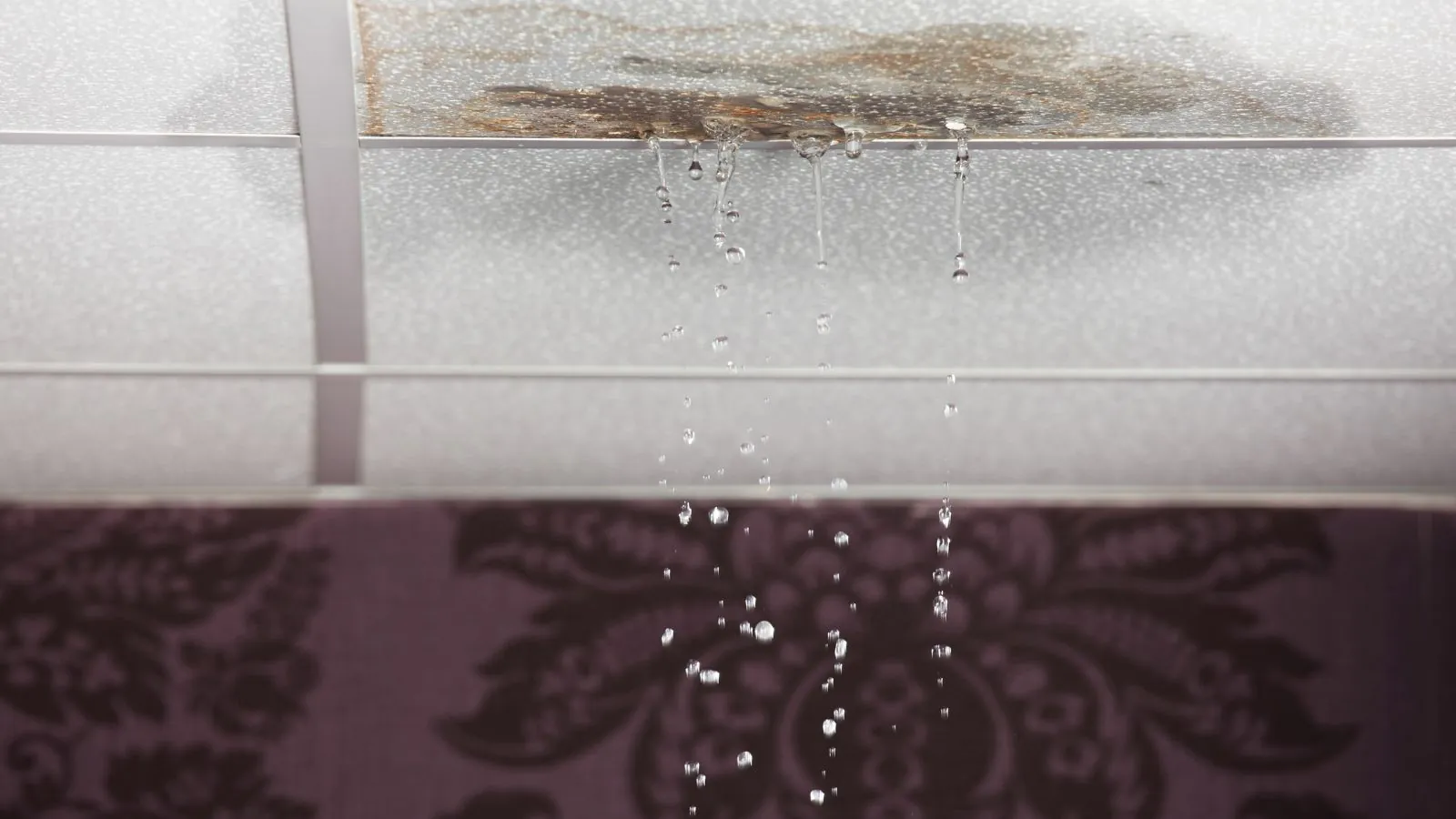
Water damage in the original railroad town
Turner Junction is the oldest part of West Chicago. The city describes the Turner Junction Historic District as a locally designated historic district set up in 1991, covering about 80 structures in the original plat of Turner that was recorded in 1855. By the 1850s three railroads met here, and the first shops and homes were built close to that junction.
If water is spreading through a building in or near the district, call (630) 580-6401. We are based in West Chicago, so the crew is not coming from another town, and we explain the scope and the price before work starts.
Where this page applies
The downtown blocks around Main Street and the railroad corridor, plus the older residential streets that grew up beside them.
Typical buildings
Storefronts, offices and older houses where several owners or tenants may share walls, roofs and utility lines.
Best first call
Your plumber or landlord for the source, and our line for extraction, drying and cleanup.
Why old downtown buildings leak differently
A building that has stood for a century or more has been repaired many times. Supply lines may be a patchwork of old and new pipe, floors may have been raised or covered over, and roofs may have layers of repair. Water finds those seams.
Leaks in older masonry and wood-frame buildings often travel along joists, behind plaster and under floor coverings before anyone sees a stain. That is why we check moisture beyond the visible wet spot. Read structural drying and dehumidification to see how we confirm that a building is dry before anything is closed up.
Shops, offices and apartments that share a roof
The downtown mixes commercial and residential uses. A restroom leak in one unit can drip into the space below, and a failed roof drain can wet several tenants at once. Owners and tenants should agree early on who calls the plumber, who calls the insurer and who gives us access.
For a business, speed matters because every day of downtime costs money. Our commercial water damage restoration page explains how work can be phased so part of a building stays open when it is safe to do so.
What to do in the first hour
Stop the water
Close the shutoff for the fixture or the building main. If you cannot find it, call the owner or the property manager.
Protect people
Keep everyone out of rooms with sagging ceilings, standing water near outlets or any water from a drain.
Photograph the loss
Take wide and close photographs and a short video before anything is moved.
Call early
Call (630) 580-6401 and tell us the building type, the source and how many units are affected.
Rain, sewers and the 2013 storm
The City of West Chicago reported 5.5 inches of rain on April 17 and 18, 2013, with road closures and water in many basements. The city did not name neighborhoods in that notice, so we do not claim that any one block flooded. What it shows is that heavy rain can arrive faster than a basement or a drain can handle.
A basement in an older building can take water from the ground, from a sump pump that fails or from a sewer lateral that backs up. See basement water damage cleanup for how a wet below-grade room is handled, and sewage backup cleanup if the water came from a drain.
Insurance paperwork for an older building
Illinois standard homeowners policies generally cover some sudden and accidental water damage, such as a burst pipe. Sewer backup and sump pump failure usually need an added endorsement, and flood is a separate policy. Commercial policies differ again, so read yours or ask your agent before you decide what to claim.
We cannot tell you what a policy will pay. What we can do is document the loss: moisture readings, affected materials, photographs and a written scope. Keep receipts for emergency repairs, and do not discard damaged materials until the adjuster has had a chance to see them or has told you that you may.
Flood maps and what we have not verified
Neighborhood-specific FEMA flood-zone status not verified. If you need to know whether a particular property sits in a mapped flood zone, ask the city's Community Development Department or look the address up on FEMA's flood map service. Do not rely on a restoration company to answer that question for you.
In Turner Junction, as everywhere, our drying goals and water categories follow ANSI/IICRC S500, the published standard for professional water damage restoration.
Services downtown property owners ask about
Pipe failures are the most common starting point, so see burst pipe water damage. When water is standing, water extraction comes first. If a wall or ceiling stays damp, mold remediation explains what to watch for. Our home page for the city is West Chicago Water Damage Pros.
Common questionsQuestions from Turner Junction property owners
It covers the Turner Junction Historic District and the older blocks around it in West Chicago, ZIP 60185. We serve the rest of the city too, and our main West Chicago page lists the services and the area.
Yes. Older construction changes how we check for hidden moisture and how we cut or open walls. We explain what we find and what it would take to dry the building before we start.
That is usually set by the lease or the owner. Agree on it early, because stopping the source comes before drying. We can start extraction once the water is stopped and access is arranged.
We cannot say. Coverage depends on the policy and the cause of the water. We document the loss in writing so your insurer has what it asks for.
Neighborhood-specific FEMA flood-zone status not verified. Check the exact address with the city or FEMA's map service.
Often we can work in phases, depending on the source and on safety. We discuss that on the first call.